
The Nori Archive

When Nori wound down in 2024, I had to figure out what to do with all the stuff we’d built. Not the product, but the content. Seven years of blog posts, podcasts, videos, conference recordings, and more. When startups shut down, most of that just gets deleted.
I negotiated with the company to buy a chunk of the IP. I got the carbonremoval.com domain, the social media accounts, and the podcast (Ross still publishes new episodes of Reversing Climate Change, FYI). I made a list of everything I wanted to save.
But…I forgot to include YouTube on that list.
The account was tied to a Google Workspace that got deleted, and years of video content went with it. I only recently discovered that I have a lot of it backed up in an old Dropbox folder on my laptop, including all the recordings from Reversapalooza, the conference we hosted in April 2018.
As we’re heading into the end of the year, I wanted to make this archive available. I’ve been meaning to do something with it, and I’d rather share it now than risk losing it again.
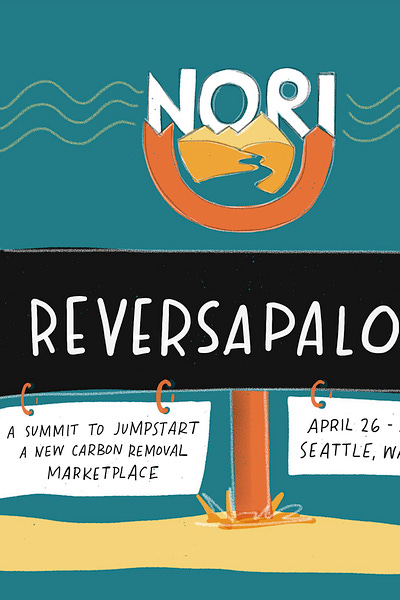
Reversapalooza
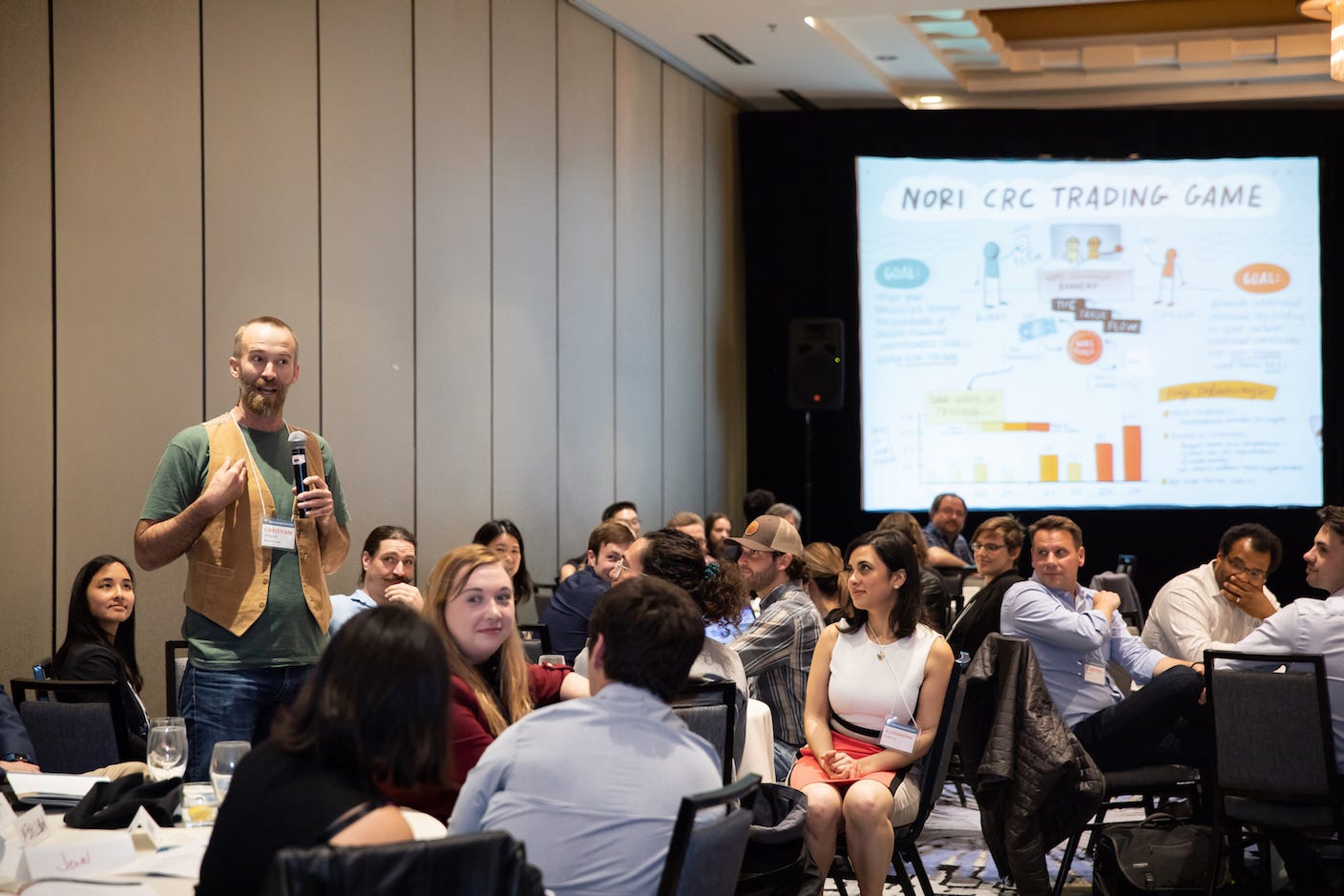
In April 2018, we brought together about 100 people in Seattle for two days. In attendance were scientists, farmers, ranchers, entrepreneurs, and sustainability directors. We were trying to convene everyone who believed carbon removal was real and figure out how to actually build a market for it.
Carbon removal still faced serious moral hazard objections at the time. A lot of climate advocates thought that talking about CDR would give fossil fuel companies cover to keep drilling. The people who were actually working on it were scattered across academia, agriculture, and a handful of early startups, and there wasn’t much connecting them to each other.
Among the speakers, Klaus Lackner from Arizona State was there as an early advisor to Nori. We brought in Keith Paustian from Colorado State, Rattan Lal from Ohio State, and David Montgomery from the University of Washington to talk about soil carbon. Ethan Steinberg presented on agroforestry. We had people from the Buckminster Fuller Institute, EDF, and the Savory Institute. Amanda Ravenhill from BFI gave the opening plenary.
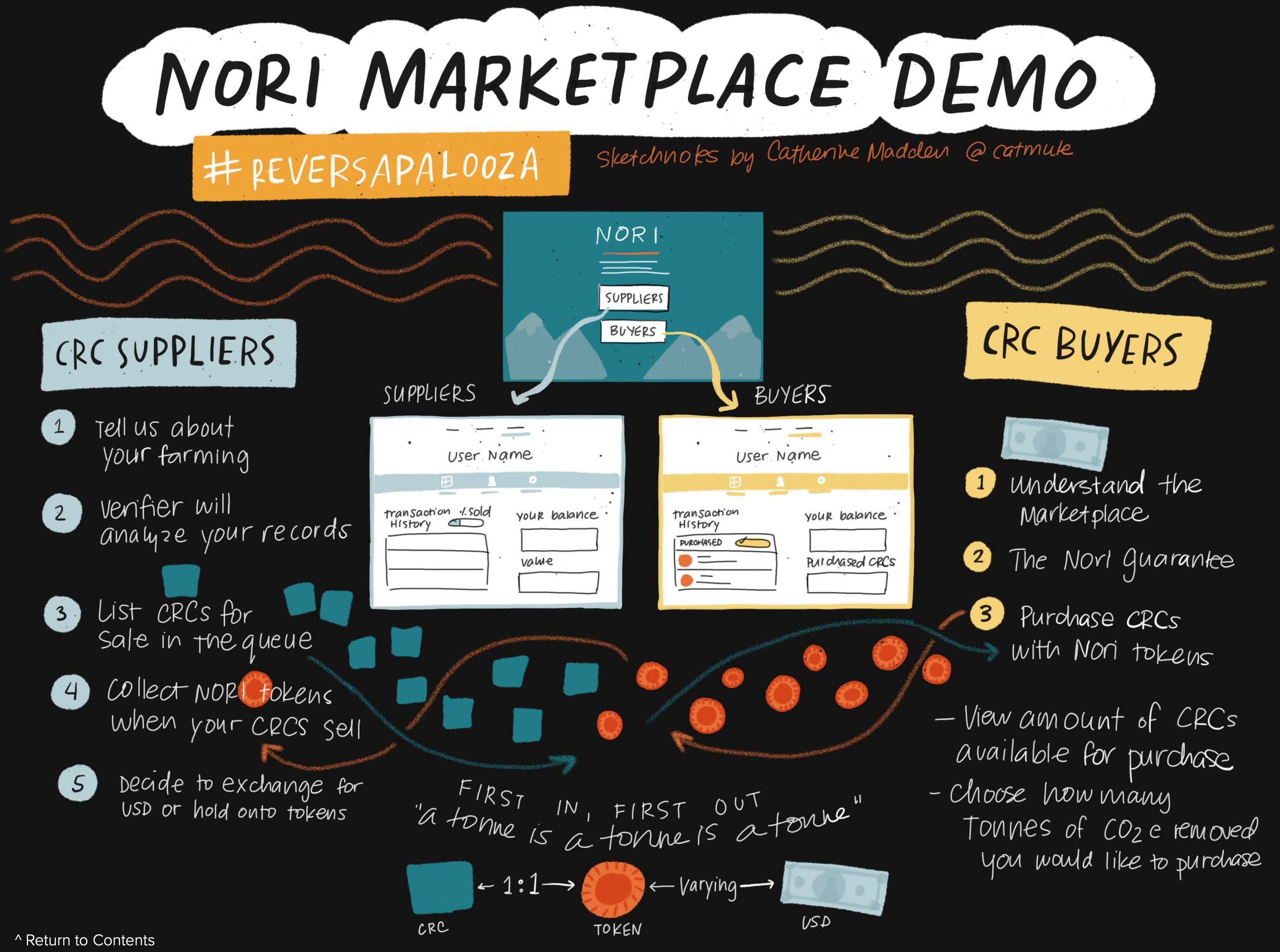
We ran a carbon trading simulation game. We demoed an early version of the Nori marketplace. We spent a lot of time discussing verification, because the core question was always how do you actually prove that carbon got removed. We were working backwards from the idea that if you’re going to build a transaction-fee marketplace, you need volume, and in late 2017 when we founded the company, the only method with any real scale potential was regenerative agriculture.
Déjà Vu
Going through this material, I keep having the same feeling that I’ve seen all of this before.
The arguments we were navigating then—moral hazard, “natural” vs. “engineered” solutions, whether it was too early to be talking about this stuff publicly—I’m hearing very similar arguments now in the climate interventions space. The technologies are different, but a lot of the patterns are the same.
For anyone working on cooling interventions or SRM who keeps running into the “but won’t this distract from emissions reduction” objection: the carbon removal community heard the exact same thing seven years ago. The field kept building anyway.
The Archive
I’ve uploaded the videos to YouTube and I’m linking them here. I’m also attaching some documents that I think are worth preserving.
Reversapalooza Sessions
The whole playlist: Nori Archive
Visual Notes
Catherine Madden did visual note-taking throughout the conference, and her illustrated notes capture the conversations in a way that’s different from just watching the recordings.
e.g.:
The White Paper
This was our detailed writeup of how we saw the state of carbon markets in 2017-18, what we wanted to build, and how we planned to do it. It’s long, but it’s a pretty thorough snapshot of our thinking at the time.
The Founders
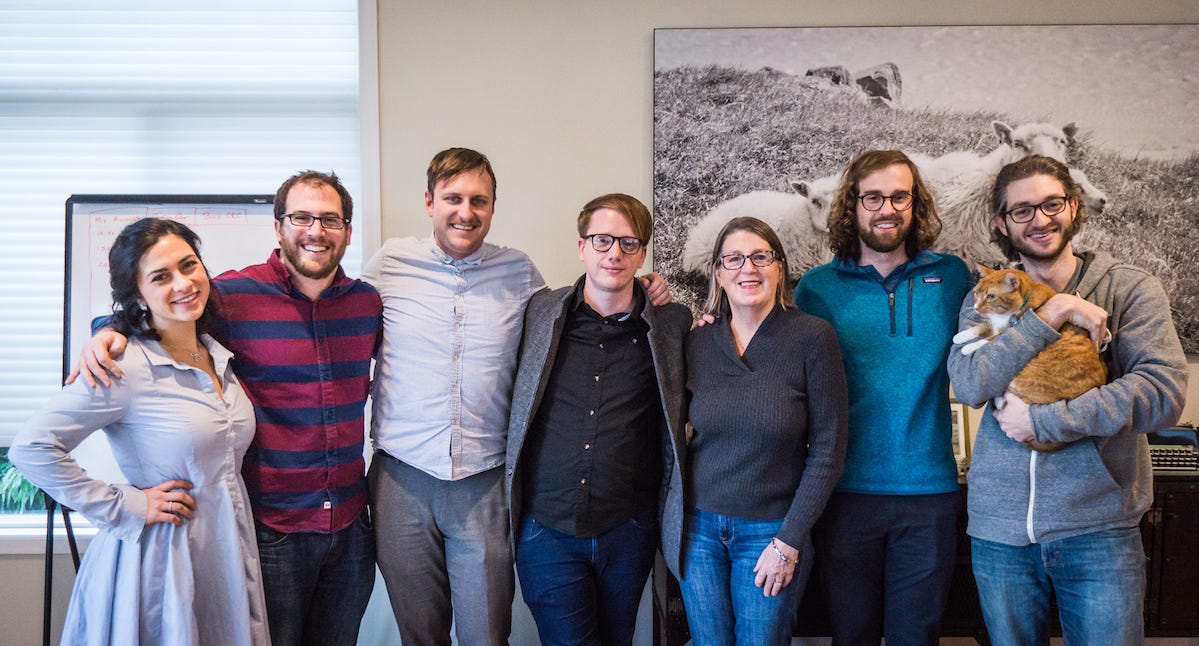
Here are all seven of us in late 2017.
Why I’m Sharing This
I want this archive to exist somewhere accessible. The Internet Archive has a snapshot of the old Reversapalooza website, but having the actual video content available matters to me.
There’s also something useful about being able to see what building from zero looks like. The carbon removal industry now gets measured in billions of dollars of investment and real policy attention. In 2018, there were research centers, policy groups, and a handful of startups working on this, but whether it would ever grow into a real industry was still an open question. The whole field was small enough that you could get a meaningful cross-section of it into a single conference room, trying to figure out if any of this was actually going to work.
It has been messier than we planned and much slower than we hoped, and we’re still very early in what’s going to be a long haul. But the industry exists now in a way that it didn’t then, and that’s meaningful progress.
Thanks for sharing. I empathize with the desire to archive and share work rather than have it deleted. I experienced something similar after investing significant effort, blood, sweat and tears into Unfold. After the company was purchased, much of that work was deleted or shut down. Good on you for negotiating some continued access.